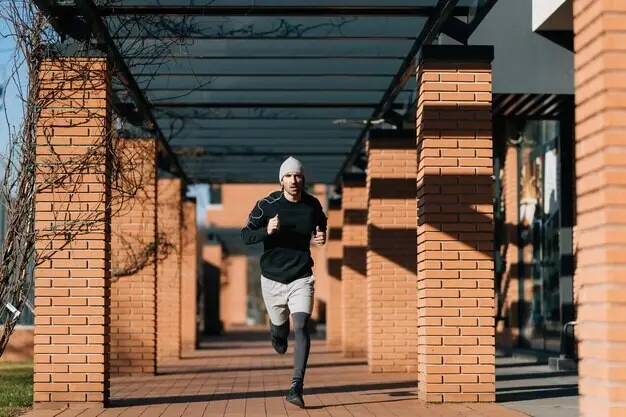

Test-Drive New Passions Without the Pressure

Today we’re diving into personal pilot projects to explore new hobbies with minimal risk—short, time-boxed trials designed to satisfy curiosity without draining savings, schedules, or confidence. You’ll find practical steps, safety nets, and real stories that help you experiment boldly while protecting energy, money, and motivation. Share your own experiments, ask questions, and join our community as we build playful, reversible paths into music, making, movement, and more.

Designing Your First Low-Stakes Experiment

Before you buy gear or book a retreat, shape a tiny inquiry with clear boundaries, realistic constraints, and a finish line. Think of it as a sandbox: a safe container where you can play, gather evidence, and decide whether deeper commitment feels meaningful, sustainable, and exciting.

Set a Question, Not a Goal

Frame your experiment as a question you can actually answer, such as, “Do I enjoy the process of watercolor layering for thirty minutes a day?” Questions reduce pressure, encourage curiosity, and make evaluation straightforward, turning vague interest into measurable, compassionate learning.

Time-Box for Momentum

Pick a short window—two weeks, four sessions, or a single weekend—and protect it on your calendar. Short horizons create urgency without anxiety, help you gather honest signals fast, and make it easier to stop gracefully if the fit feels off.

Define a Safe Budget

Choose a spending ceiling and a resource list before starting. Consider rentals, swaps, and shared spaces, then record every expense. A visible limit transforms decisions, reduces guilt, and reframes experimentation as stewardship, not indulgence, which keeps momentum alive when novelty begins to fade.


Tools and Starter Kits That Lower Barriers

Access matters more than ownership at the start. Build your kit from libraries, makerspaces, rental hubs, and trial subscriptions that remove upfront costs and reduce clutter. Try curated “first-10-hours” checklists so you learn essentials quickly, avoid rabbit holes, and celebrate early, motivating wins together.

Borrow Before You Buy

Start at your public library, university lab, or community studio to borrow cameras, telescopes, looms, even kiln time. Borrowed tools encourage respectful experimentation, expand horizons, and reveal whether ergonomics, noise, or setup friction actually serve your lifestyle before any irreversible purchase.

Leverage Community Resources

Join online groups and local clubs that lend starter kits, share ride-alongs, or host open benches. A single evening beside a patient mentor compresses months of trial and error, boosts safety, and often sparks friendships that keep you returning when progress plateaus.

Use Freemium Software Wisely

Test music production, 3D modeling, or photo editing using reputable free tiers and short trials. Set reminders to cancel, export your files, and document settings. Restrict plug-ins at first, so you master fundamentals instead of chasing novelty-driven, budget-draining feature hunts.

Micro-Commitments and Habit Loops

Small, repeatable actions carry experiments across busy weeks. Design a daily trigger, a two-minute starting step, and an easy way to feel progress. When identity follows action—’I’m a person who practices’—motivation grows quietly, and confidence compounds through many tiny, recoverable reps.

Learning Fast: Feedback, Reflection, and Iteration

Treat each experiment like a flight with a clear log, defined conditions, and a debrief. Capture what surprised you, what drained energy, and what felt alive. Specific feedback and small iterations convert scattered attempts into navigable maps toward meaningful, future decisions.

Keep a Pilot Logbook

Use a single page per session to record setup, time spent, context, highlights, friction, and next action. Patterns emerge quickly, revealing when to change environment, adjust scope, or switch tools. A log calms nerves by translating fuzzy impressions into evidence.

Seek Specific Feedback

Invite feedback that targets behavior, not identity: ask what landed, where pacing lagged, and which single improvement would elevate your next session. Offer reciprocity to peers, because shared critique builds courage, normalizes beginner edges, and deepens belonging across different pursuits.

Safety Nets: Managing Time, Money, and Expectations

Healthy constraints protect well-being and relationships while you play at the edges of novelty. Guard calendar space, set spending caps, and share expectations early with family or roommates. With clear safety nets, experimentation feels generous rather than selfish, replenishing energy instead of eroding trust.

Stories from the Field: Small Trials, Big Insights

Real people test ideas in tiny ways and learn quickly. One gardener rented a shared plot for a month, another rented an electronic drum kit for weekends, and a teacher tried sketch-noting during staff meetings. Their candid takeaways reveal traps, delights, and graceful exit ramps. Add your mini-case below so others can learn, cheer, and swap low-risk ideas with you.

From Air-Dry Clay to Ceramics

Alex began with air-dry clay on a borrowed mat, logging ten evenings and photographing each piece. When texture and glazing curiosity grew, they booked two kiln firings at a community studio. The upgrade felt earned, affordable, and grounded by evidence rather than impulse.

Thirty Days of Backyard Astronomy

Sam scheduled fifteen-minute stargazing checks after dinner, borrowed binoculars, and used a simple sky app. Clouds taught patience, neighbors shared tea, and a meteor shower delivered awe. Sam kept the ritual, upgrading nothing except a notebook, because wonder required attention, not equipment.

Weekend Podcast in a Backpack

Priya grabbed a phone, clip-on mics from a friend, and a quiet café corner to test conversational chemistry. Editing on a free app surfaced pacing issues and delightful tangents. After two Saturdays, the duo chose seasonal miniseries over weekly grind, protecting joy.

Zoritemidavoravo
Privacy Overview

This website uses cookies so that we can provide you with the best user experience possible. Cookie information is stored in your browser and performs functions such as recognising you when you return to our website and helping our team to understand which sections of the website you find most interesting and useful.